





Put simply, mitigation is the work of holding damage to its current size. Do not confuse it with rebuilding. Mitigation covers the steps taken ahead of repairs so undamaged materials stay that way. In Fort Worth, our team handles mitigation by controlling the source, removing the water, containing the wet area and stabilizing the structure. When this stage goes right, there is less to rebuild afterward, occasionally nothing at all.
Many homeowners treat restoration and mitigation as one and the same. Each is its own phase of the job. The emergency stage is mitigation, where we stop the loss, keep it from spreading and stabilize the house. Restoration is what comes after: drying is confirmed, and damaged drywall, flooring and finishes are repaired or rebuilt. Insurers treat them as separate line items too, so it helps to know which phase you are in.
Four tasks make up most mitigation visits. Source control, so no new water enters. Two: extract whatever water is standing. Third is containment, where controlled airflow and plastic barriers keep contaminants and moisture away from clean rooms. Fourth is stabilization: unsalvageable materials come out, surfaces receive antimicrobial treatment, and dehumidifiers and air movers are placed. Along the way, your belongings and furniture get moved or set up on blocks to keep them safe.
Water Damage Mitigation: What Homeowners Ask
Water Damage Mitigation Issues? We Can Help.
Call Fort Worth Restoration for fast, reliable service.
Call (410) 315-1766 NowHow to Prevent Water Damage Mitigation Problems
A little prevention goes a long way in avoiding expensive restoration emergencies. Follow these tips from our IICRC-certified technicians:
- Leave the heat on during winter trips so the plumbing cannot freeze.
- Trade rubber washer hoses for braided steel, and renew them roughly every five years.
- Have an automatic shutoff fitted, so the main closes itself once a leak is sensed.
- Keep gutters clear and downspouts pointed away from the foundation of the house.
- Seal gaps around windows, doors and roof penetrations before the next heavy rain arrives.
- Have your water heater inspected yearly and replace it before the tank fails.
How Our Water Damage Mitigation Works
Our systematic approach delivers quality results on every project. Here's what you can expect when you choose Fort Worth Restoration:
Control the Source
Depending on the cause, our crew closes the supply, caps a failed line, or covers the entry point with tarps and boards. If a plumber or roofer is needed for the permanent fix, we coordinate the timing.
Remove Standing Water
We extract standing water using pumps and extraction units, then check carpet and its padding. Fast removal of bulk water limits damage more than drying equipment could by itself.
Set Up Containment
We isolate the affected rooms from the rest through airflow control and plastic barriers. This keeps humidity, dust and any contaminants from travelling through the house while work is under way.
Stabilize the Structure
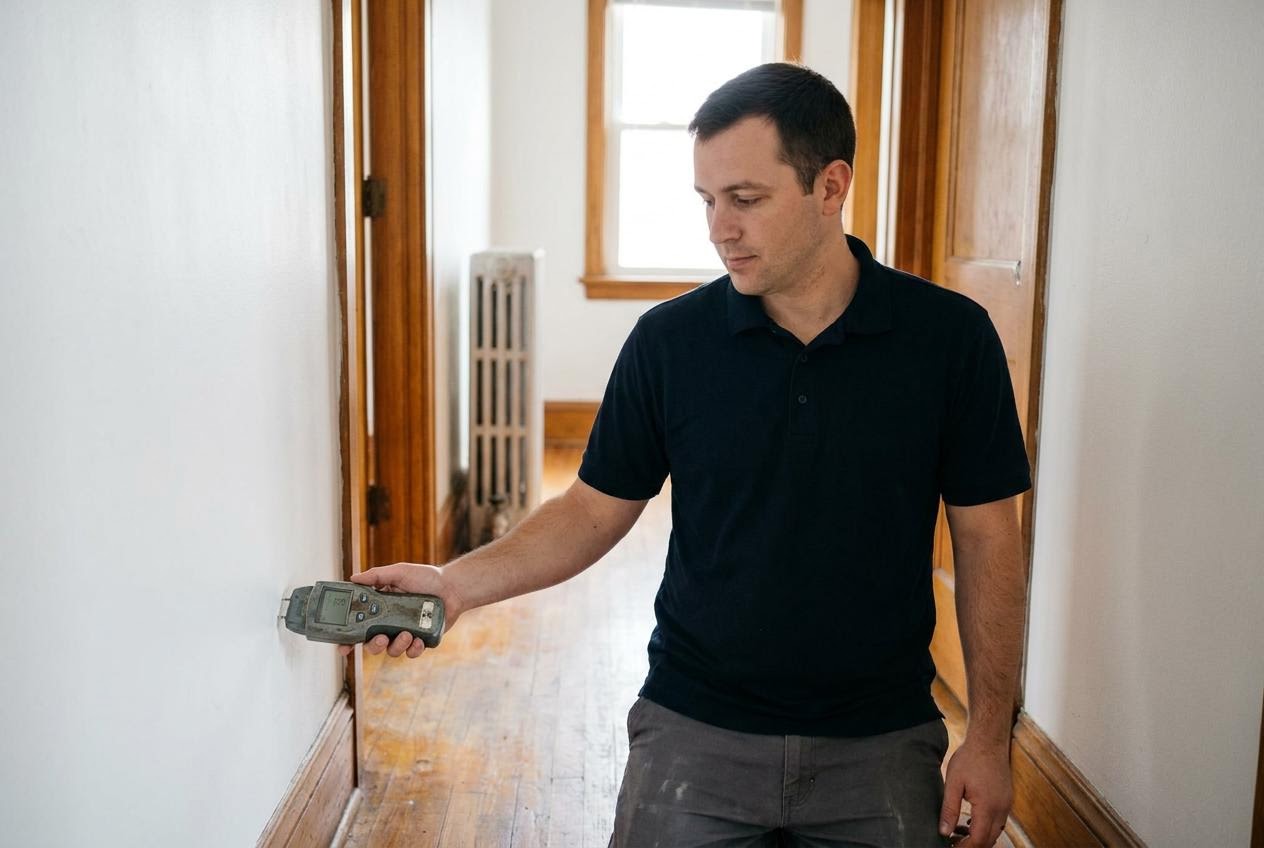
We remove what cannot be saved, treat surfaces with antimicrobial, and place dehumidifiers and air movers. We log moisture readings each visit until the structure is ready for repairs, usually within 3 to 5 days.
Signs You Need Water Damage Mitigation in Fort Worth
Catching these issues early helps you avoid costly problems and protect your property. Watch for these telltale signs that professional help is needed:
- A musty odor has begun because materials stayed wet for a day.
- Baseboards are swelling or pulling away from the wall after a leak.
- Plumbing repairs are done, but no one has addressed what got wet.
- An adjuster or agent said you must reasonably limit additional damage.
- A roof or window opening is letting rain into the building.
- Flooring is carrying moisture past the doorway to an adjoining room.
- The leak is fixed, yet cabinets, walls or flooring remain wet.
Early Action Saves Money
What seems like a minor issue today can turn into a major expense tomorrow. Call Fort Worth Restoration at (410) 315-1766 at the first sign of trouble.
Questions About Water Damage Mitigation?
Call Fort Worth Restoration to discuss your water damage mitigation needs with a IICRC-certified technician.
Call (410) 315-1766 NowThe Benefits of Professional Water Damage Mitigation
Mitigation is a series of judgment calls made quickly. Which drywall can be dried in place and which has to be cut out? Has the water shifted category since the leak started, and is it Category 1, 2 or 3 now? Is removing the cabinet toe kick necessary? Our team makes these calls from training and from moisture readings, not from how a surface looks or feels to the hand.
Your insurance claim benefits from proper mitigation too. Under most policies you must act reasonably to keep the damage from growing, with proof that you did. On arrival we take photos, then log moisture readings every day and itemize whatever is removed. Together those records show the water's effect and our response to it. The repair contractor gets a clear place to start as well, without hidden moisture waiting behind fresh drywall.
Comparing DIY and Professional Water Damage Mitigation
Some simple tasks are suitable for DIY, but most water damage work benefits from professional tools, training, and experience. Consider the following comparison:
| Factor | DIY Approach | Professional Service |
|---|---|---|
| What stays or goes | Judging by look and feel | Readings decide what stays or goes |
| Contamination | Wiping obvious spots with bleach | Treatment chosen by water category |
| Extraction | Wet vac and a stack of towels | Extraction units and pumps, fast |
| Insurance documentation | Some pictures on your phone | Daily moisture logs and photo record |
| Knowing when it is dry | Assume a few days was enough | Moisture tracked until numbers are normal |
Get Water Damage Mitigation Help Today
The sooner you call, the sooner we can help. Reach Fort Worth Restoration for same-day service.
Call (410) 315-1766 Now